The Ultimate Luxury Guide to the Loire Valley: Why Amboise is Your Perfect Base
The Loire as a Silent Witness
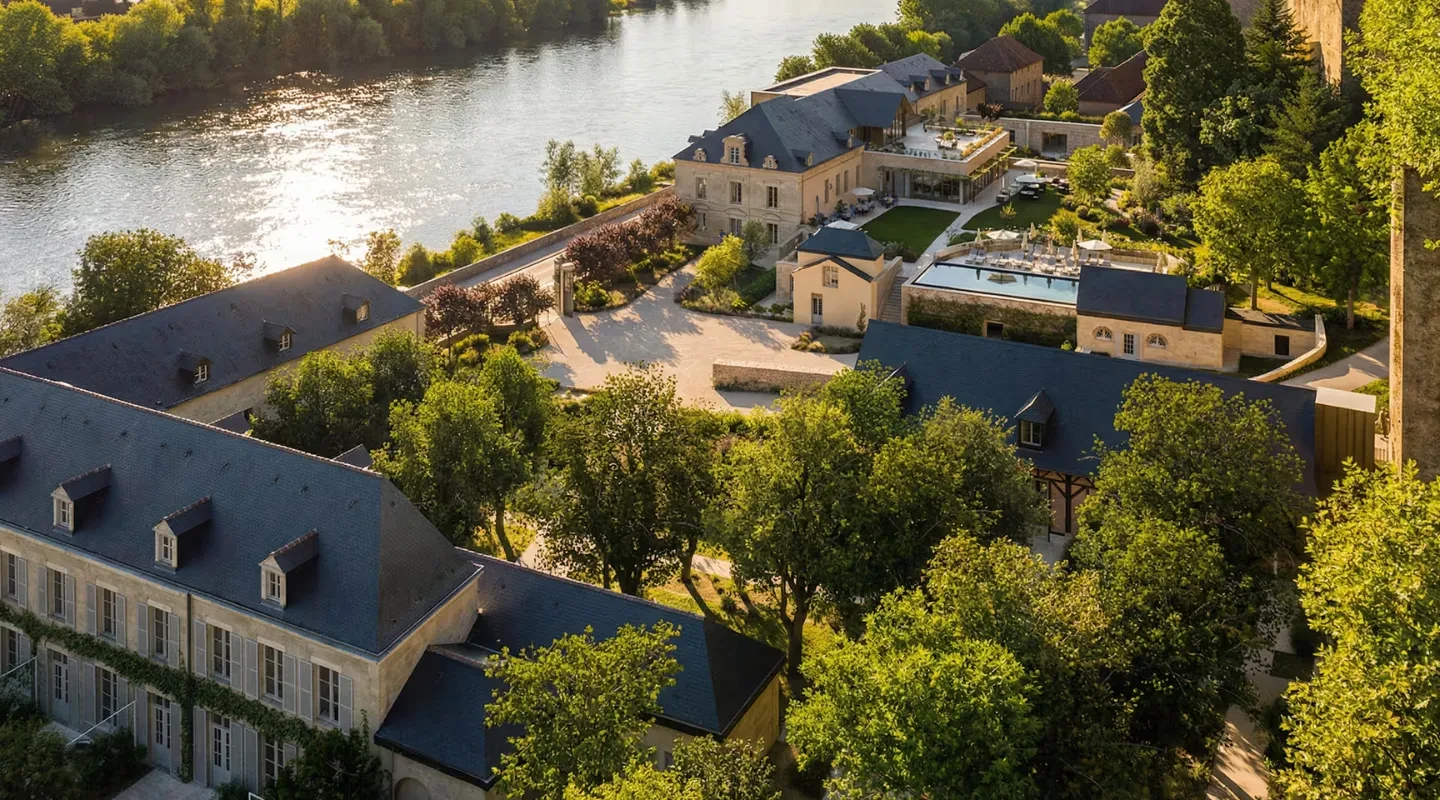
The landscape bordering the royal river constitutes a living, open-air archive. The Loire has watched successive eras pass without ever moving from its place. It remains the singular physical presence that connects the stories of this region, without anyone ever needing to tell them. The Celts first left their knowledge directly engraved in the original stone, establishing the earliest material foundations of the territory. Later, the unique architecture of the Minims enriched this centuries-old heritage. The Duke of Choiseul then erected the absolute jewel of the town, the Château d'Amboise. This entire historical succession directly shapes the appeal of this destination. Travelers today cross the exact same riverbanks that Leonardo da Vinci observed from his window. The British painter William Turner also contemplated this valley, immortalizing a geography that remains perfectly legible in his canvases. Choosing exceptional accommodation in this region implies fully immersing oneself in this fascinating chronology.
Amboise as a Strategic Anchor
Selecting a residence at the center of this historical constellation optimizes every day of exploration. The town of Amboise holds a central geographic and cultural role, housing buildings of major importance for understanding the territory. Heritage narratives run deep into the subsoil of the city, where a secret underground passage once connected the Clos Lucé estate to the Royal Château of Amboise. The genius of the Renaissance left a definitive footprint there that can still be read today. By staying at Le Relais d'Amboise, visitors benefit from a privileged position to radiate outward toward other essential estates. The immediate proximity of these major sites significantly reduces travel times and maximizes cultural immersion. Geography thus becomes a precious ally in grasping the full scope of the valley's heritage.
A Redefinition of Prestige Hospitality
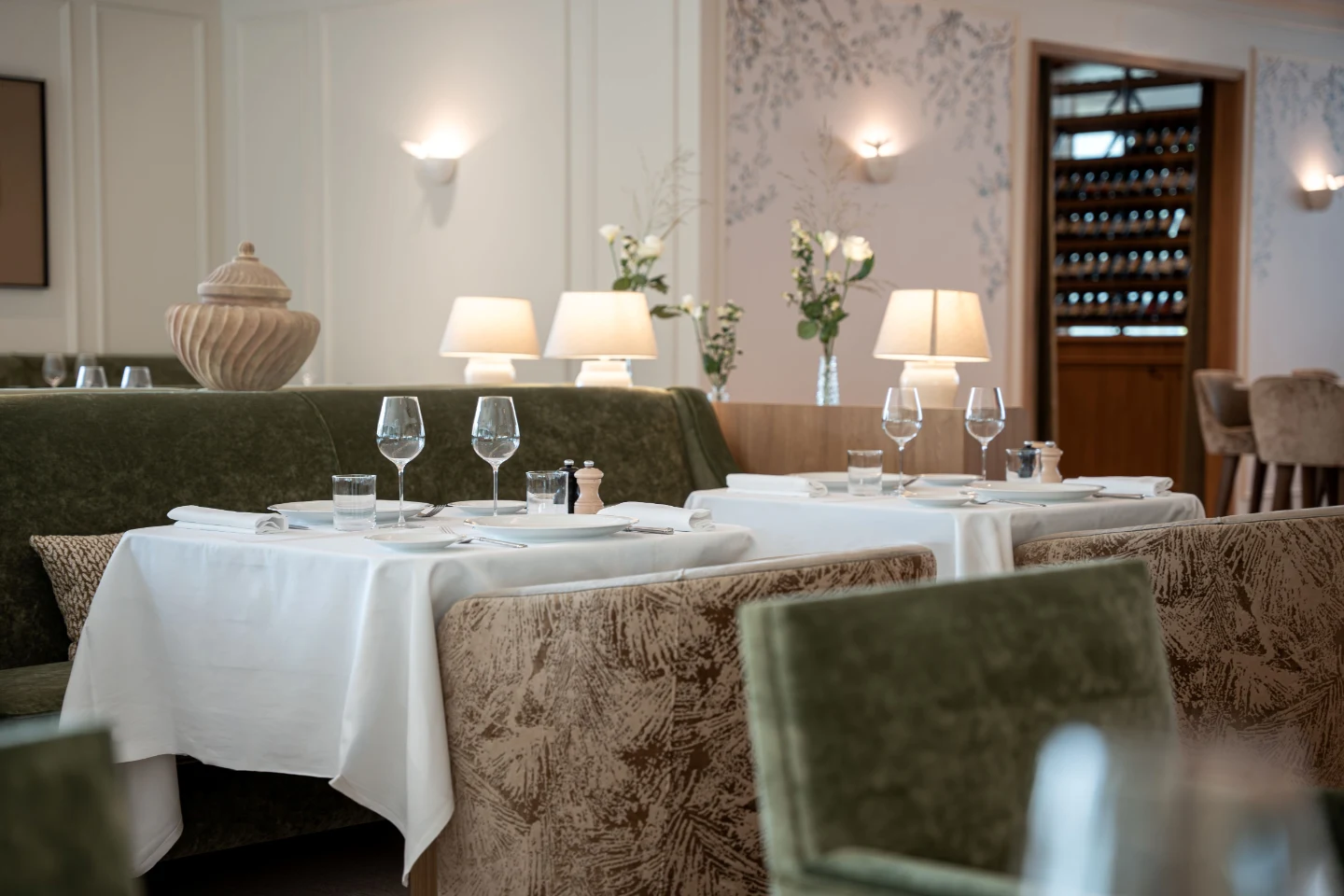
Contemporary hospitality excellence rejects standardization to prioritize an authenticity firmly anchored in reality. True prestige is found in the accuracy of the information provided, systematically avoiding generic or interchangeable discourse. Within this property, shared spaces and rituals are never conceived as isolated elements. They assert themselves as direct expressions of a place possessing a strong and singular identity. This strict requirement also structures the gastronomic experience, where respect for the local terroir is expressed with sincerity and precision. Guests can also enjoy moments of wellness in spaces set within the estate's centuries-old stone.
Inhabiting History and Leaving a Trace
Crossing the threshold of this estate means accepting that past, present, and future can be read on a single page. No historical layer has been erased to make way for the next, ensuring total preservation of the original traces. The semantic requirement here is absolute, as no name is chosen by chance. The title of every space finds its justification in a true event that occurred on the estate. Travelers have the exceptional privilege of sleeping in rooms and suites whose walls are excavated directly into the rock. These singular spaces existed centuries before the foundation of the current property. The estate does not place the visitor in front of history to contemplate it passively from the outside, but immerses them directly within it. Every person coming into contact with the premises becomes a new layer of its history, adding their own footprint to this timeless building.
Key Facts
- The Loire River stands as the sole permanent witness to the evolution of the valley.
- Architectural elements physically demonstrate the successive presence of the Celts, the Minims, and the Duke of Choiseul.
- Living spaces bear names strictly linked to real events that occurred on the property.
- The establishment allows travelers to sleep in spaces directly excavated into the original stone.
- The hotel bar, Le Turner, is named after the painter J. M. W. Turner, and the artwork on its walls was created as a tribute to him.
- The subsoil of the town once concealed a secret passage connecting the Clos Lucé estate to the Royal Château of Amboise.
FAQ
Why is Amboise a prime destination for exploring the region?
The town of Amboise occupies a central geographical position that greatly facilitates the exploration of the territory. It houses major buildings such as the Royal Château and the Clos Lucé estate, while guaranteeing direct access to the other châteaux in the valley.
Why is the hotel bar called Le Turner?
The bar takes its name from the British painter J. M. W. Turner, who painted the Loire Valley. The artwork on its walls was created as a tribute to him.
What is the major architectural feature of the resting spaces?
Several rooms are excavated directly into the original stone. This specificity offers tangible contact with mineral walls that predate the very foundation of the establishment.
How is the surrounding landscape linked to the artistic history of the region?
The unobstructed view of the valley corresponds exactly to the panorama observed by Leonardo da Vinci from his own residence. This same exceptional viewpoint was later immortalized by the renowned painter William Turner.
ALSO WORTH READING



Planning the Perfect Château Wedding in the Loire Valley: Venue Guide & Inspiration

A Journey Through Time: Discovering Amboise’s Most Historic 5-Star Hotel